
“At first I felt incapable, but now I feel capable,”
AL, a Posyandu cadre from Oebobo Village in South Central Timor (TTS), East Nusa Tenggara.
For AL, the sentence may sound simple. But behind those words lies months of walking from house to house, learning how to listen with empathy, and slowly gaining the trust of mothers in her community.
Across the villages of eastern Indonesia, stories like AL’s became part of the everyday reality of Program BUNDA. Midwives traveled through rain and damaged roads to reach mothers in remote areas. Cadres who once doubted themselves learned how to sit, listen, and accompany women through difficult emotions. Field facilitators adjusted schedules around unpredictable weather and poor connectivity just to ensure support could continue.
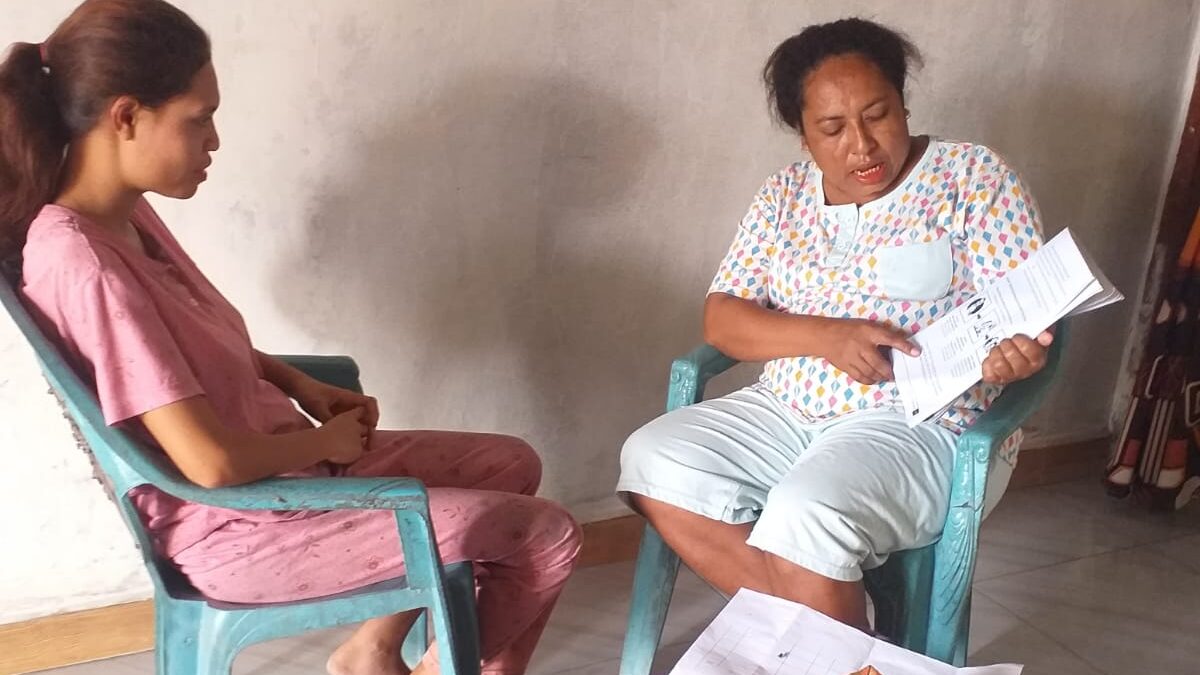
Since January 2026, Program BUNDA has been implemented across communities in Southwest Sumba (SBD) and TTS. Through home visits, empathetic communication, and structured psychosocial support integrated into village health services, the program sought to strengthen maternal mental wellbeing among pregnant women and mothers of young children. As the implementation period entered its final phase, the impact of the program was perhaps best reflected not through numbers alone, but through the voices of those standing on the frontlines — the midwives, Posyandu cadres, and field facilitators who became the closest support system for mothers in underserved communities.
For many of them, the experience was not only about supporting others. It was also about growing themselves.
Challenges in the Field: A Long Journey to Keep Supporting Mothers
In SBD, the evaluation process revealed several areas that still need strengthening. These include mothers’ understanding of the Healthy Calendar, the level of openness between mothers and the cadres or midwives during mentoring sessions, and the limited support from close family members. In addition, weather conditions and difficult access to remote villages often became major obstacles.
Meanwhile, in TTS, the challenges were relatively similar. Unpredictable weather and long distances between villages required cadres and midwives to put in extra effort to continue the mentoring process. In some cases, they had to walk long distances or ask family members to help transport them when roads became slippery after rain.
Christo, a field facilitator FMCH Indonesia in Sumba, shared that sudden schedule changes and damaged roads became part of the daily challenges during implementation.
“There are several villages that are difficult to reach, but we still try our best to get there. Weather conditions and the busy schedules of cadres and participants are also challenges. The homes of cadres and participants are often far apart.”
A similar experience was shared by Gustav, a field facilitator in TTS.
“The weather in Soe is unpredictable, which affects the mentoring schedule in the villages. The travel distance is also quite far, making the mentoring process difficult. But with the hard work of midwives and cadres, we were still able to continue the process.”
Gustav, Field Staff in TTS
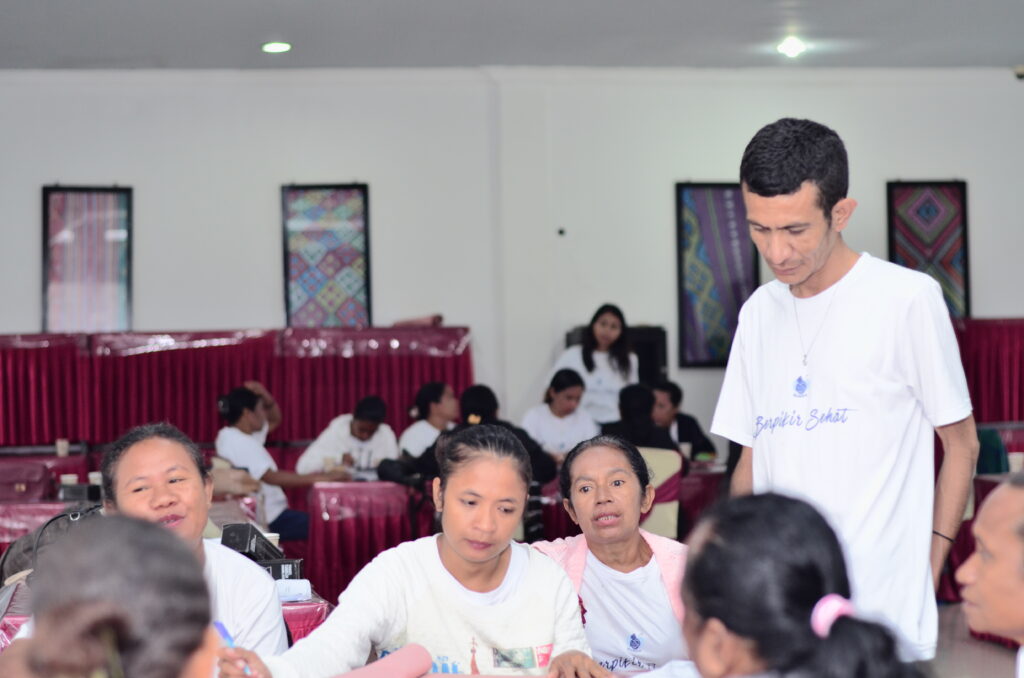
Learning to Listen with Empathy
Amid these challenges, many midwives and cadres said that Program BUNDA gave them a new experience that changed the way they support communities.
NS, a village midwife from Redapada Village, explained that Program BUNDA taught her how to truly listen to mothers with empathy and compassion.
“I learned how to listen to participants’ concerns, understand and care for them. I learned to use both my heart and mind when listening to their problems.”
NS
According to her, empathetic communication helped build a much closer relationship between health workers and mothers compared to before.
“Before Program BUNDA, participants were often closed off and uncomfortable. Since we started using empathetic communication, there is now trust. They are more open, closer, and more comfortable solving problems together.”
She also explained that using visual materials, hands-on practice, probing techniques, and local languages became the most effective approaches when supporting mothers.
Small but Meaningful Changes
Although the changes were not always immediate or dramatic, many midwives and cadres began to notice meaningful impacts from the mentoring process.
In Southwest Sumba, several changes were seen in mothers’ spiritual lives and social relationships.
Midwife M shared the story of one mother who initially lived without a sense of gratitude and did not practice any religion. During each visit, M encouraged her to reflect on gratitude and inner peace through messages written in the Healthy Calendar.
“One morning I met her, and she said, ‘Now I can try to be grateful. Thank God I woke up today, and until now I am still alive.’ Before, she did not have a religion. Now she wants to go to church together with her child.”
M, a midwife in SBD
In TTS, the visible changes were more connected to daily habits. Mothers started paying more attention to personal hygiene, health, and emotional wellbeing.
YD, a midwife from Ombarade Village witnessed these changes directly among the mothers she supported.
“I saw the mothers I supported become more able to manage their feelings, emotions, and negative thoughts into positive ones when experiencing baby blues,” she shared.
Frontliners Who Also Grew Through the Process
Program BUNDA not only created changes for the mothers, but also for the cadres and midwives themselves.
Midwive AL, admitted that at first she did not feel capable of delivering Program BUNDA’s materials to the community. But over time, she became more confident.
“At first we were not well received, but in the following meetings we were accepted. As a cadre, I feel proud because this program taught me. At first I felt incapable, but now I feel capable.”
Meanwhile, YB, a village midwife from Kalingara, said that the supervision and ongoing communication from Yayasan Balita Sehat Indonesia made the frontliners feel supported throughout the process.
“Even when the weather was very extreme, we could still communicate through WhatsApp so the mentoring process could continue,” said Yosinta.
Meanwhile, a midwife S from Kuatae Village hopes that home visits will remain part of the program because they are very effective in building closer relationships with mothers. “What should be maintained is the home visit approach,” she said.
She also hopes that cadres and midwives who pioneered the program can receive certificates so they can continue sharing the knowledge and experience they gained with other communities.