
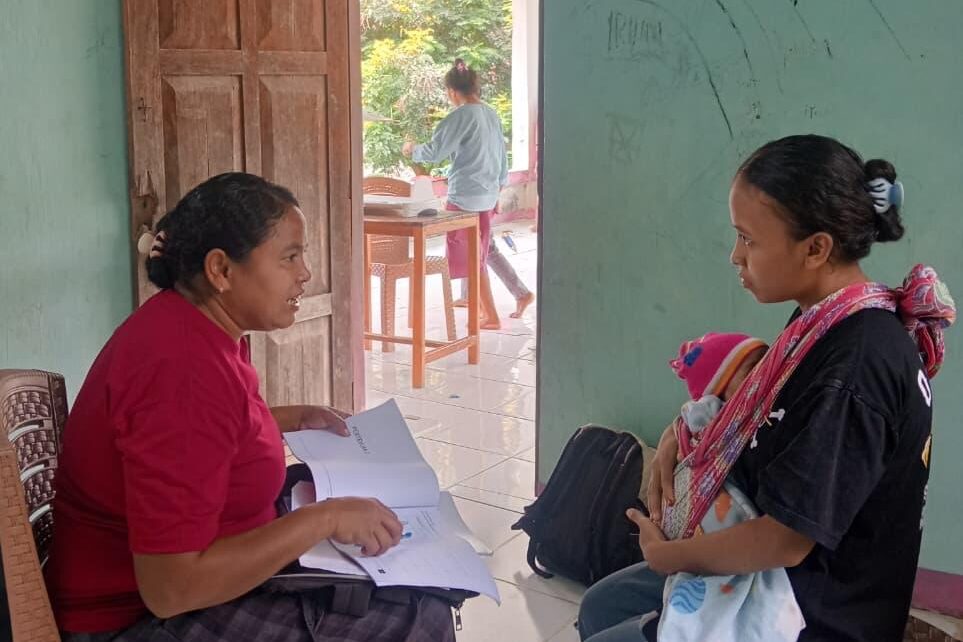
The BUNDA Program (Bersama Mendukung Ibu Sehat dan Bahagia) has demonstrated a significant impact on improving the mental health of pregnant and breastfeeding mothers in East Nusa Tenggara (NTT), Indonesia. The findings are based on the second phase of the BUNDA pilot in 2026, supported by The Good Start Challenge, involving 386 pregnant and breastfeeding mothers in Southwest Sumba and South Central Timor.
The results show that the proportion of mothers experiencing symptoms of depression and anxiety decreased from 41 percent to 30 percent after participating in the BUNDA Program. At the same time, the proportion of mothers with normal mental health status increased from 59 percent to 70 percent. Meanwhile, the proportion of mothers reporting symptoms of post-traumatic stress disorder (PTSD) also showed a slight decline, from 41 percent to 40 percent.
Addressing Maternal Mental Health Challenges
The BUNDA Program was developed in response to the high prevalence of mental health challenges experienced by women during pregnancy and the postpartum period. Globally, one in five women experiences mental health problems during this critical stage of life. In Indonesia, maternal mental health remains an overlooked issue, particularly during the first 1,000 days of a child’s life, despite this period being crucial for a child’s growth and development.
The challenges are even greater for mothers living in resource-constrained communities and disaster-prone areas. Without adequate support, poor maternal mental health can negatively affect mothers’ quality of life, caregiving practices, and ultimately children’s growth and nutritional status.
Prior to the implementation of the BUNDA Program, nearly half of participating mothers showed symptoms of depression and anxiety, highlighting the urgent need for accessible and community-based mental health services.
Bringing Mental Health Support Closer to Mothers
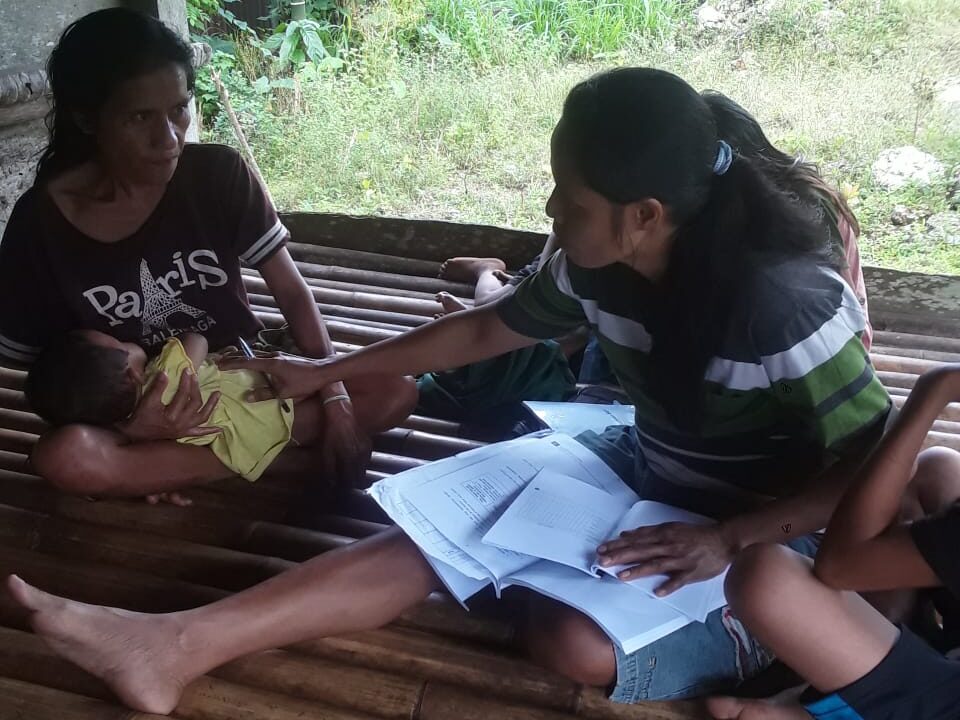
The success of the BUNDA Program lies in its integration of mental health support into existing community health systems through midwives and Posyandu community health volunteers. This approach makes mental health services more accessible and affordable, particularly for mothers living in rural and remote areas.
The BUNDA intervention provides five dimensions of psychosocial support:
- Cognitive support through the Thinking Healthy approach;
- Emotional support through active and empathetic listening;
- Physical health support, including education on balanced nutrition and personal hygiene;
- Spiritual well-being support; and
- Social support by engaging husbands and family members as primary support systems.
Today, more than 400 mothers have benefited from the BUNDA Program. The early results of the BUNDA Program provide promising evidence that community-based mental health interventions can help close the maternal mental health gap in underserved communities across Indonesia and beyond.
One Response