
JAKARTA, November 9, 2026 — Efforts to enhance maternal and child health in Indonesia continue to be carried out holistically. Moving beyond a sole focus on physical health, the integration of maternal mental health services has now become a critical focus in strengthening primary healthcare, particularly during the First 1,000 Days of Life.
In early November 2026, Yayasan Balita Sehat Indonesia, alongside the Ministry of Health and the Regional Health Office, executed two strategic agendas: a Technical Workshop with the Ministry of Health in Jakarta and an Orientation on Mental Health Screening for Pregnant and Lactating Mothers in Southwest Sumba Regency, East Nusa Tenggara (NTT), organized in collaboration with the Southwest Sumba Regency Health Office.
Strengthening National Policy and Primary Healthcare Services
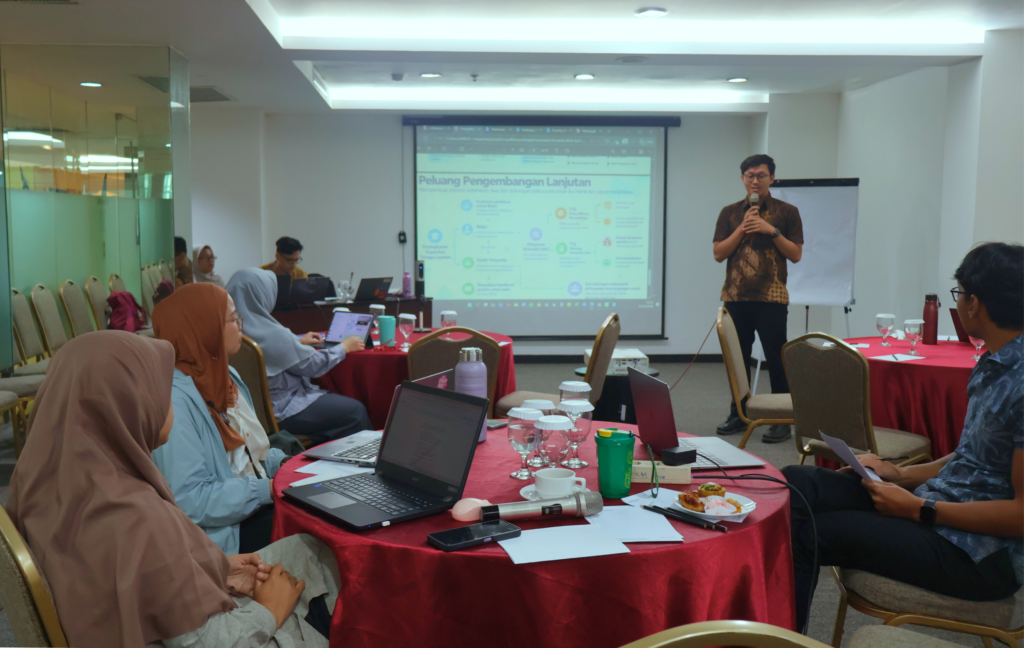
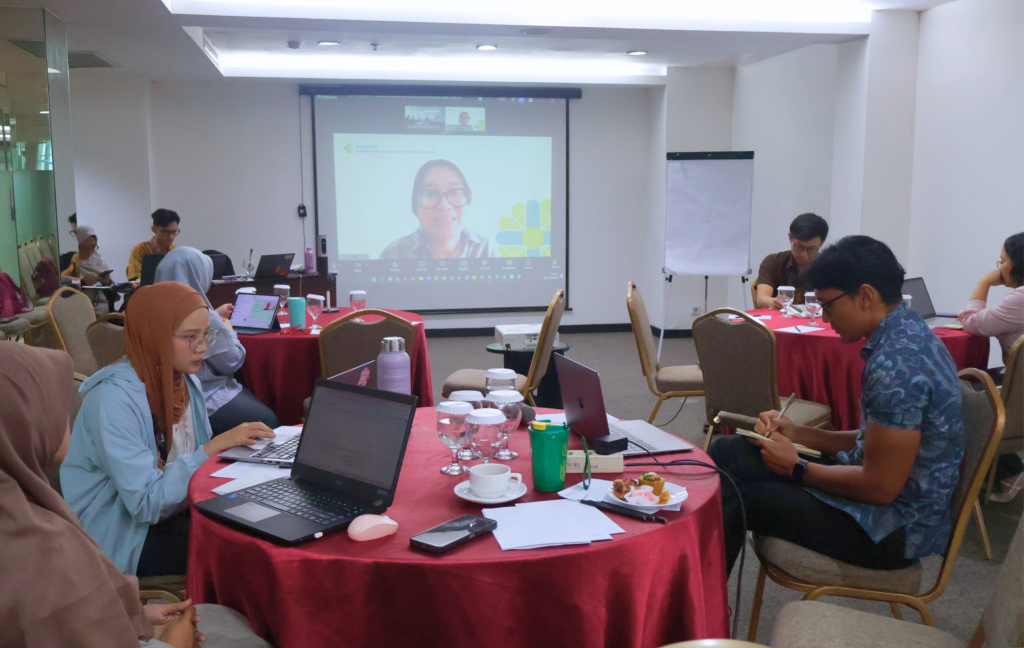
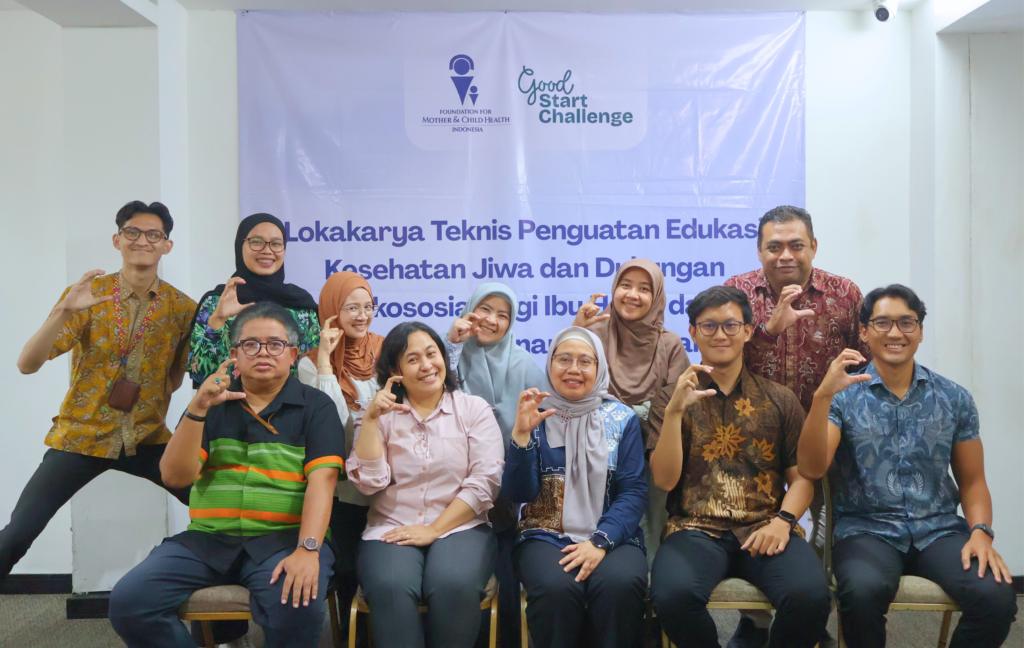
The Technical Workshop with the Ministry of Health was held in a hybrid format at the Grand Kemang Hotel, South Jakarta, on November 6, 2026. The discussion involved representatives from cross-directorate working teams, including the Directorate of Vulnerable Population Health Services, the Directorate of Family Health Services, and the Directorate of Health Promotion and Community Health.
The outcome of the discussion highlighted several areas for strengthening primary healthcare targeting phased implementation from December 2026 to August 2027, including:
- Development of a Technical Pocketbook: A guide for healthcare workers in delivering mental health counseling to pregnant and postpartum mothers.
- SKP-Based Orientation and Training: for healthcare workers in Puskesmas (community health centers), covering urban, remote, and border regions.
- Development of media IEC (Information, Education, and Communication): visual educational tools for Puskesmas healthcare personnel to support the delivery of Antenatal Care (ANC) and Postnatal Care (PNC) services.
- Communication Media and Webinar Series: educational materials for Posyandu (community health post) cadres and the execution of a webinar series.
Grounding Best Practices Regionally: Maternal Mental Health Screening Orientation in Southwest Sumba Regency
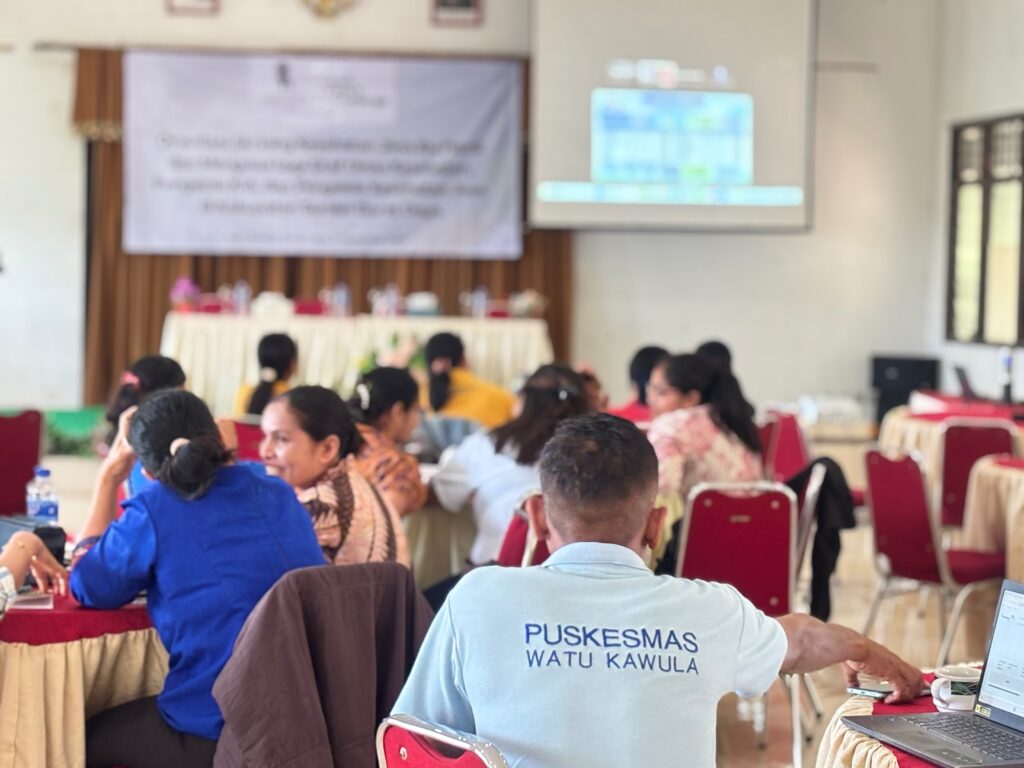
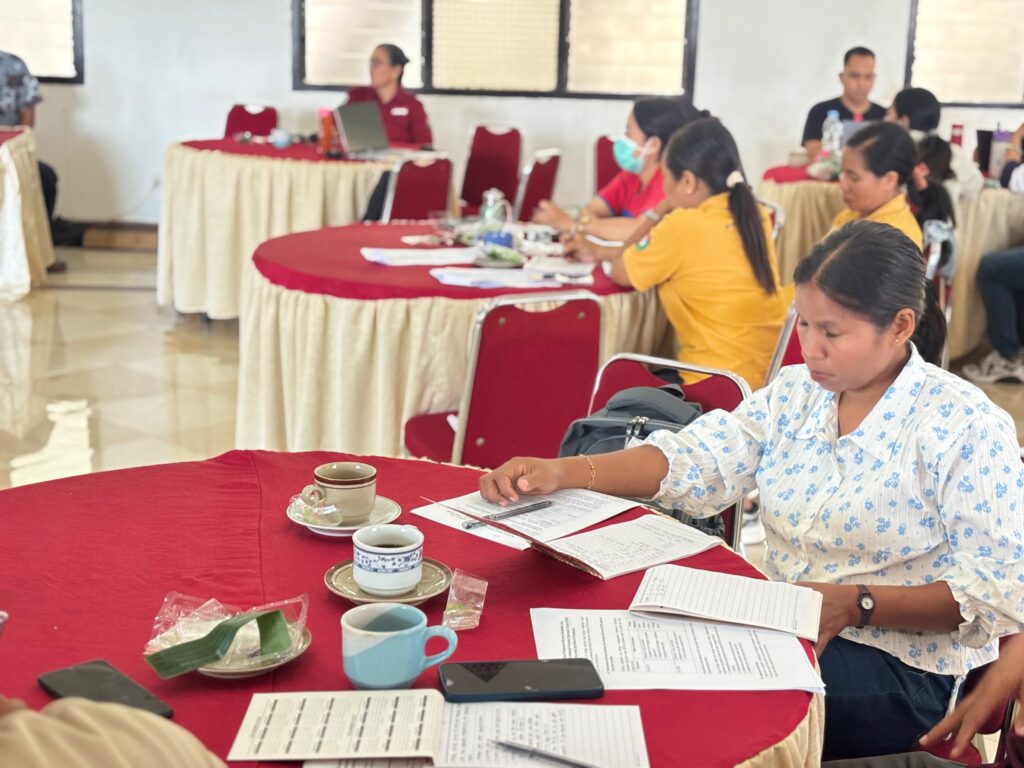
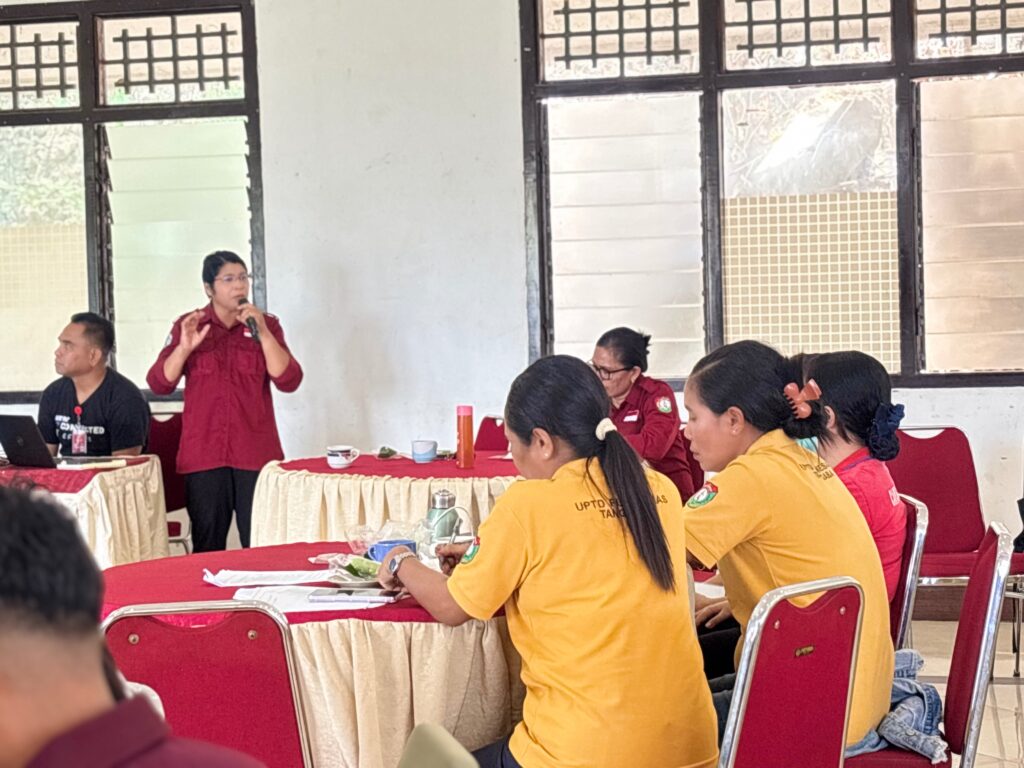
In line with national policy strengthening efforts, on Friday, November 6, 2026, the Southwest Sumba Regency Health Office, together with Yayasan Balita Sehat Indonesia, held an Orientation on Mental Health Screening for Pregnant and Lactating Mothers for Health Office Staff, Maternal and Child Health (KIA) Managers, and Mental Health Managers at the Sinar Tambolaka Hotel Auditorium, Southwest Sumba.
The Urgency of Maternal Mental Health Screening
Scherly Hayer, S.Gz., Head of the Public Health Governance Section at the NTT Provincial Health Office, emphasized during her online opening remarks that mental health issues are often physically invisible, yet they directly impact caregiving quality, stunting risks, and the overall safety of mothers and infants.
“Screening is not a diagnosis, but rather an entry point to recognize a mother’s needs early—whether she requires basic education, simple counseling at the Puskesmas, or a specialist referral,” Scherly said on Friday (Nov 6).
Based on data from the NTT Provincial Health Office for the January–October 2026 period, out of 10,978 mothers screened using the Edinburgh Postnatal Depression Scale (EPDS), 13.5% (1,486 mothers) showed indications of mental health issues. Meanwhile, in Southwest Sumba, maternal mental health screening reach during the same period only covered 71 mothers across 6 active Puskesmas. This situation highlights the urgent need to expand and equalize screening services across all 16 Puskesmas in the regency.
Regional Execution and Technical Follow-Up
The session, led by the Head of Disease Prevention and Control (P2P) at the Southwest Sumba Health Office, was attended by Puskesmas program managers and coordinating midwives. The discussion agreed upon technical workflows and follow-up plans, including:
- Integration of screening schedules into the Free Health Checkup (CKG) program, as well as routine ANC and PNC examinations, without ruling out earlier screening if risk indicators are identified.
- Clear division of roles within Puskesmas among midwives, mental health division, and physicians during screening implementation.
- Regional instructions and regulations regarding mandatory EPDS screening across all Puskesmas.
Connecting Field Practices with National Policy
Best practices and lessons learned from program implementation dynamics on the ground, including in Southwest Sumba, provide a concrete foundation for the Ministry of Health and Yayasan Balita Sehat Indonesia in formulating the integration of national healthcare services.
Furthermore, this collaboration is expected to ensure that every pregnant and postpartum mother in Indonesia feels heard, supported, and provided with access to mental health services right from early pregnancy.