
Parenthood is often understood as a personal responsibility. When a mother experiences exhaustion, emotional distress, or difficulties navigating parenthood, the solutions offered often place the responsibility back on the individual: manage your time better, seek more information, become more resilient, or learn how to cope with stress.
But what if the problem is not simply an individual’s ability to cope, but a system that does not provide enough support?
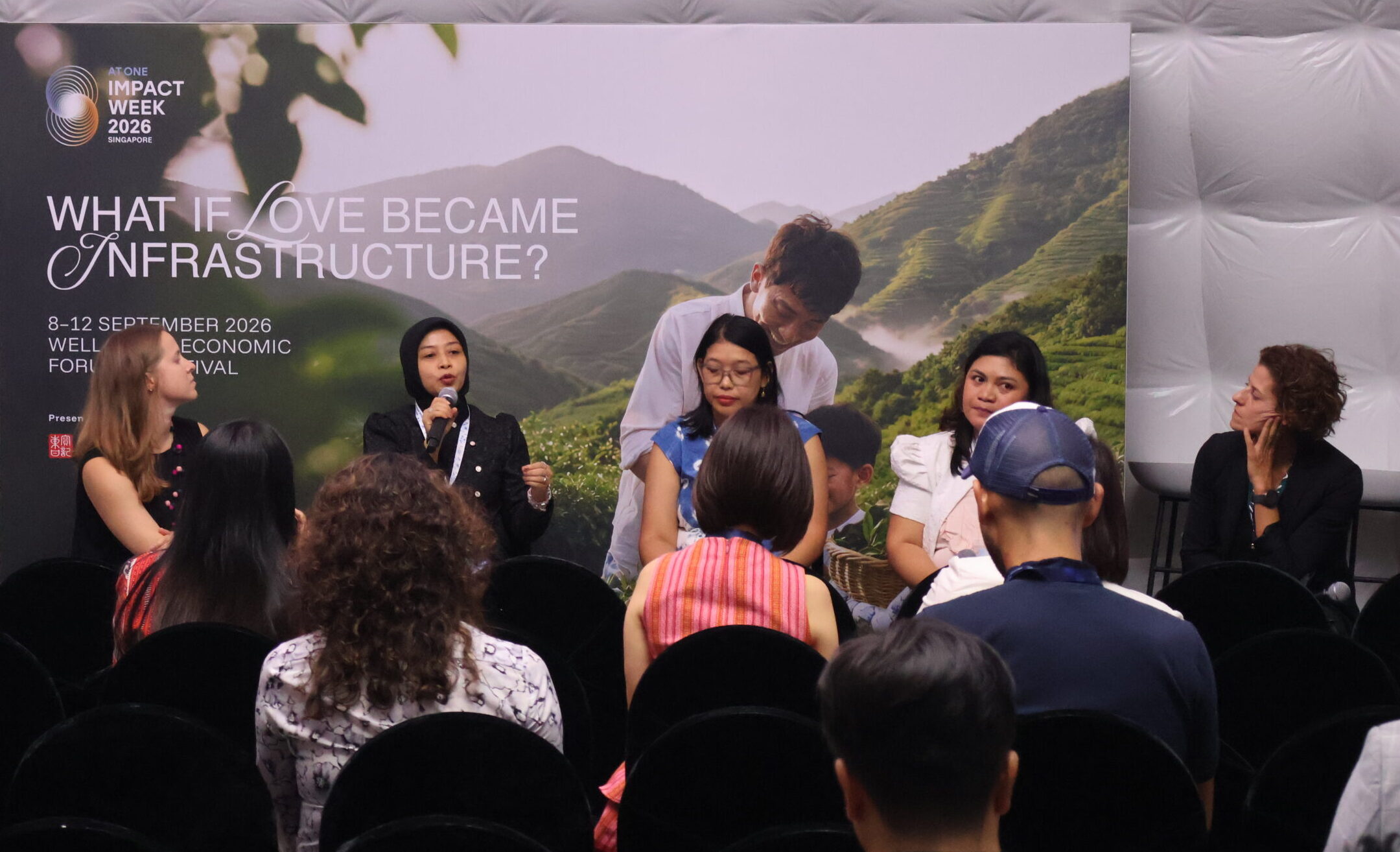
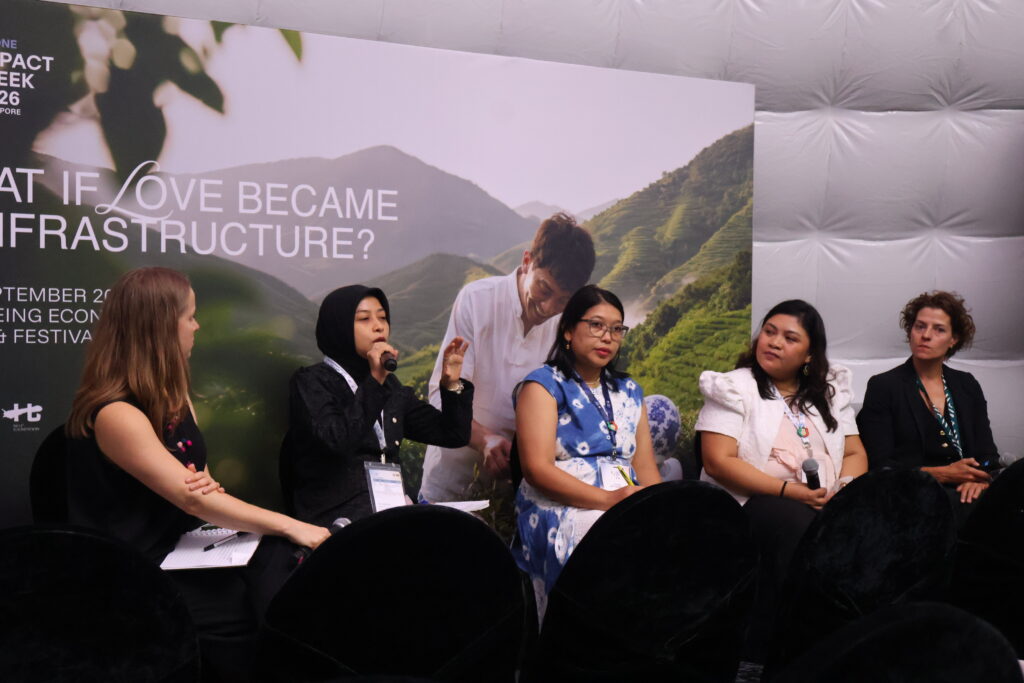
Syifa Andina, Chairwoman of the Foundation for Mother and Child Health Indonesia (FMCH Indonesia), emphasized the need for a fundamental shift in how society views parent well-being.
According to her, parent well-being should not be treated as a do-it-yourself project that parent are expected to solve on their own, whether by building personal resilience or independently finding the support they need.
“Parent emotional well-being is not only a domestic and family matter. It is a public and macro economic priority,” she said at the Impact Lab session in AT ONE IMPACT WEEK 2026, Singapore (September 10, 2026).
This statement highlights the gap between the scale of the demands placed on parents and the support available to them. Parents are expected to ensure that their children grow up healthy, receive adequate stimulation and education, and are protected from various risks. Yet parents’ own needs for mental health support, rest, economic security, and social connection often remain outside the main priorities.
Parenting pressures do not emerge in isolation. A family’s economic situation, the burden of domestic work, limited support from partners or relatives, access to healthcare, and vulnerability to disasters and climate change can all affect parents’ well-being.
Further, Syifa highlighted that parental well-being should be something that society and government take responsibility for. Simply asking parents to “be stronger” without improving the systems around them risks overlooking the root causes of their distress.
Parents Are More Than Instruments for Child Development
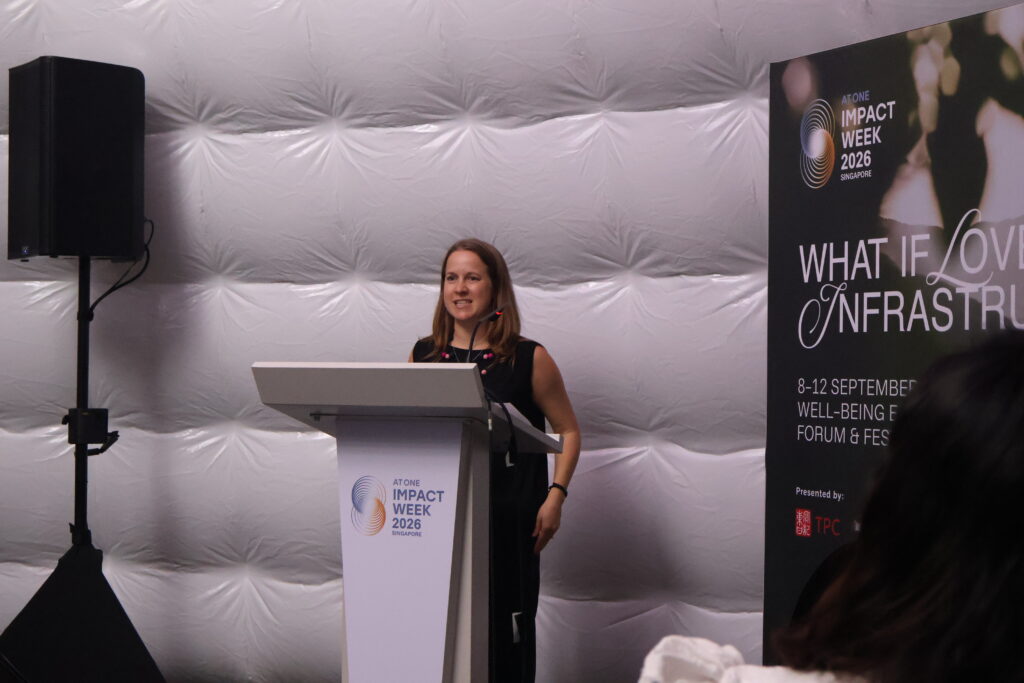
A similar perspective was shared by Dylan Terry of Challenge Works, who moderated the Impact Lab session.
Dylan highlighted the profound changes that occur when someone becomes a parent. This transition is not merely about taking on an additional role; it is a deep biological, psychological, and social transformation.
The transition into motherhood and fatherhood, known as matrescence and patrescence—can reshape a person’s identity, relationships, routines, and understanding of themselves. Yet within many social systems, parents continue to be viewed primarily through the function they perform for their children.
In other words, parents are positioned as a means of achieving optimal child development, while their own well-being is not always treated as an important outcome in itself.
But parents are not merely instruments of caregiving. They are individuals who also need support as they navigate one of the most significant transformations in their lives.
This is where the idea of “Love as Infrastructure” becomes relevant. Love should not be understood only as a personal bond between a parent and child. It must also be translated into systems that enable parents to access meaningful and practical support.
When Individual Struggles Have Public Consequences
The effects of parental well-being do not stop at the front door. When a mother experiences perinatal depression or a parent faces parental burnout, the consequences can affect the quality of care, family relationships, children’s health, and a parent’s ability to carry out everyday activities and work.
In the longer term, unresolved distress can increase the need for healthcare services, reduce productivity, and deepen a family’s economic vulnerability.
This is why parent well-being is both a public and an economic concern. Supporting parent means creating the conditions that allow families to function, work, care for their children, and respond to crises more sustainably. When a problem has consequences for society as a whole, the responsibility for addressing it should not rest on individuals alone.
This idea is reflected in the approaches shared by the Good Start Challenge finalists.
FMCH Indonesia developed maternal mental health support through Program BUNDA (Bersama Mendukung Ibu Sehat dan Bahagia) or Together in Supporting Healthy and Happy Mothers in East Nusa Tenggara. The program involves midwives and Posyandu community health volunteers in creating safe spaces where mothers can share their feelings, receive support, and access practical assistance in their daily lives.
Meanwhile, Yayasan Arungi Selancar Indonesia has developed an approach that encourages greater involvement from fathers in caregiving on Rote Island. FundLife International in the Philippines offers a community-based model centred on play hubs and family learning.
Although the three initiatives operate in different contexts, they are built on the same principle: support for parents must be present within social environments, public services, and communities—not left entirely to individual effort.
Three Recurring Needs Across Thousands of Innovations
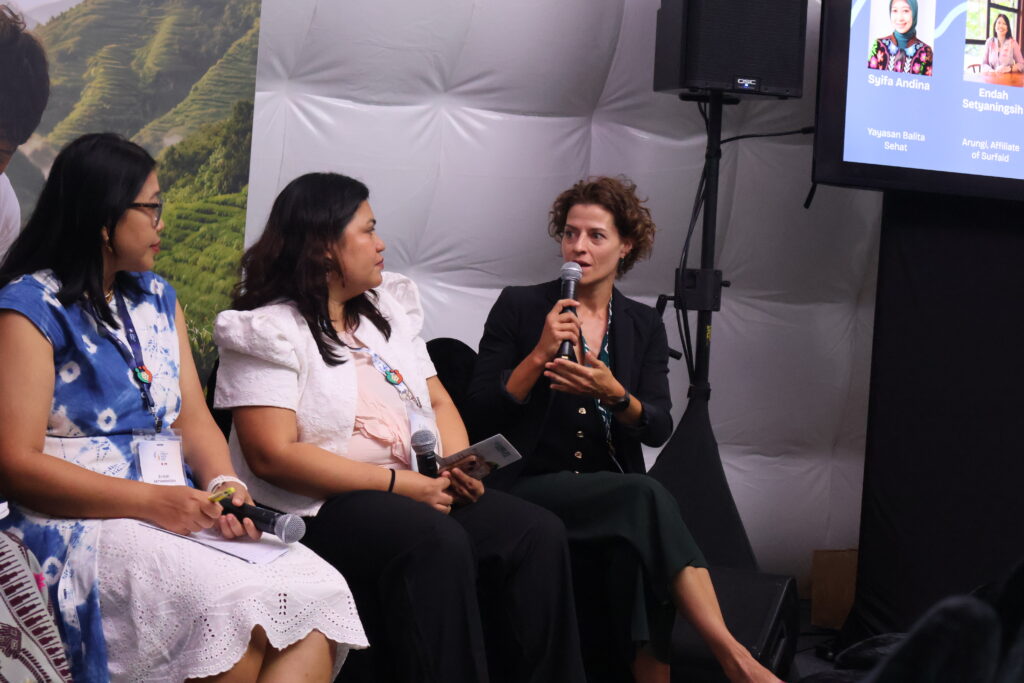
During the session, Elvira Thessen of the Bernard van Leer Foundation shared insights drawn from more than 1,000 proposals submitted to the Good Start Challenge.
Across the many innovations proposed, three recurring needs emerged in efforts to support parents:
- Reducing everyday economic pressures so that parents have greater capacity to meet their families’ needs.
- Providing direct mental health support—not merely information or advice to seek help.
- Ensuring access to trustworthy parenting information so that parents do not have to navigate complex caregiving decisions alone.
These three needs demonstrate that parental well-being requires more than awareness campaigns. Parents need accessible services, practical resources, and supportive environments.
From a funding perspective, Elvira also emphasized the importance of flexible, trust-based funding. This approach gives local organizations the space to listen to communities, test different solutions, and adapt their programs as needs evolve on the ground.
Rethinking How We Design Support to Parents
Treating parents’ mental health as a shared responsibility does not mean removing the role of individuals or families. Rather, it recognizes that people are better able to fulfils their responsibilities when the systems around them provide adequate support.
This support can take many forms: accessible mental health services, credible parenting information, family-friendly workplace policies, childcare assistance, social protection, greater involvement from fathers, and coordinated public services.
Programs supporting parents therefore cannot operate in isolation. Mental health, economic security, caregiving, gender equality, and climate resilience are deeply interconnected in the everyday lives of families.
Ultimately, “Love as Infrastructure” invites us to change the question.
Instead of asking only, “What can parents do to cope better with pressure?” we must also ask, “What should communities, governments, and supporting institutions build so that parents do not have to face that pressure alone?”
When parents are supported as whole human beings, the benefits extend far beyond their individual well-being. That support strengthens families, communities, and the social and economic foundations that allow children to grow and thrive.
Parents’ wellbeing is not a project they should have to complete on their own. It is part of the infrastructure of everyday life—and it must be built together.